Since 1954, the United States Pony Clubs has built its reputation on teaching equestrians of all ages not just how to ride, but how to care for horses with deep respect, thoughtful attention, and a sense of responsibility. Caring for horses isn’t a side note—it’s the core of everything Pony Club does, and now USPC is spotlighting that commitment with its new #HappyHealthyHorse Well-Being Initiative and an Equine Well-Being Policy that reinforces what horse lovers have always known: a horse’s complete well-being is the most important duty for all horse owners and caregivers.
Horse care and management is woven throughout the USPC curriculum—from nutrition and daily handling to recognizing subtle signs of discomfort or distress. With the launch of the #HappyHealthyHorse Initiative, USPC challenges everyone in the equestrian world to look at horse well-being through a holistic lens built around five domains that together define a thriving, healthy, happy horse.
USPC Equine Well-Being Policy (Policy #0160) showcases how these expectations are now codified across all Pony Club activities, reinforcing that every member, leader, volunteer, and affiliate is expected to prioritize equine physical, mental, and emotional welfare.
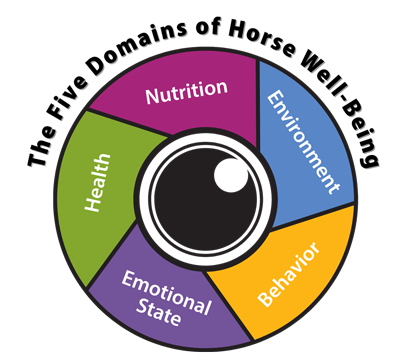
Equine well-being is broken down into five domains, each representing a piece of what it means to care for a horse’s full life:
USPC isn’t stopping with these overarching ideas. Look for articles, resources, and tips in the Horse Well-Being category on the Pony Club Blog. Whether you’re a lifelong Pony Club member or just care deeply about horses, you’ll find stories, insights, and tools to help your equine partner thrive.
And if you’ve got a happy, healthy horse in your life, post a photo with #HappyHealthyHorse on social media and share what horse well-being means to you!